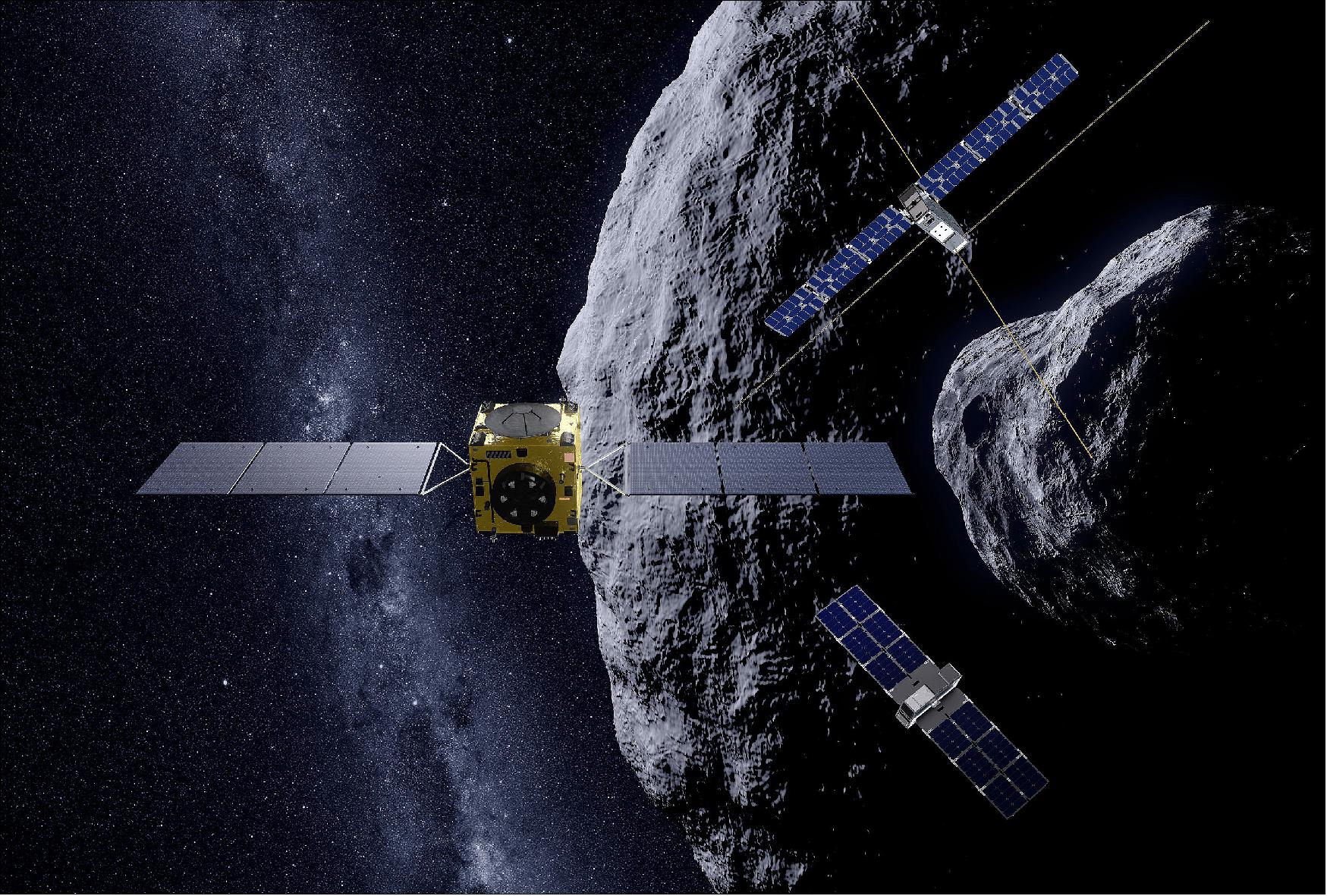
 So, NASA managed to deflect an asteroid 7 million miles away with its DART spacecraft but we can’t sort inflation? Surely, we can do better. Then again, maybe we are doing better. The collision with the asteroid, Dimorphos, has created a 10,000 km comet-like debris trail which feels a bit like our daily dose of inflation headlines. Lots of shiny stuff to catch the reader’s eye but what about the bigger picture? Mission-focused NASA will only want to know if the trajectory of the asteroid has shifted. Not so the Fed with inflation I fear. Indeed, there’s a danger that the Fed is watching the inflationary debris of a high speed global economy and missing more fundamental changes in the macro trajectory. Let’s take a look at a few developments which are catching this writer’s eye…
- Oil Demand: Lovely to see ahead of a FIFA World Cup hosted on the Arabian peninsula that OPEC are reading the global room perfectly, not. The Russia-sympathy vote for a 2 million barrel production cut was the bad news. But the bad news is good news reaction was noteworthy. Oil prices barely budged which tells us consumers(demand) are already reducing activity.
- Supply Chain: The post-Covid snarl up of global logistics and supply chains was reflected in sky-rocketing container shipping costs. Even Amazon started buying their own ships as Pacific shipping rates topped $20,000 per container 12 months ago. At the start of this year those rates were still almost $14,000. Today? Try $2,500….
- Jobs: The Fed has been accused of waiting for lagging indicators like employment to “break”. Well, the latest JOLT data on job openings in the US saw its biggest crash on record (outside Covid) with more than 1 million positions pulled in August. Many companies(see airports, hospitality etc) will be acutely aware of the franchise risks of making redundancies as they did during Covid. Perhaps the more relevant metric in this cycle is hiring intentions/openings….
- Retail: There was an interesting Wall Street Journal article this week looking at wholesaler, Costco’s, pricing intentions. They are clearly seeing commodities and shipping costs about to fall but the company said they are waiting for supplier contract renewals ie price cuts can lag too!
- Housing: Big ticket purchase items like houses and cars are correlated with financing costs. Here, the Fed and its multiple interest rate hikes are feeding straight into consumer activity. Used car prices have been falling for 4 consecutive months but the impact on housing has been brutal. Mortgage rates of more than 7% have cratered refinancing activity by 80%. Mortgage applications are down 50% and house prices are falling by the most since 2009. Now, some Wall street research teams think house prices are set for their second worst decline since the Great Depression.
- The move to globalisation and just-in-time delivery means businesses work to much shorter cycles. For example, the Chinese discount fashion player, Shein, has reduced design-to-delivery times from months to a matter of days.
- The shift in developed economies from manufacturing to services is significant. For example, US manufacturing accounted for 22% of employment in 1979. By 2019 that was 10%. However, there’s an even bigger picture to watch. The digital age has enabled an explosion of “asset-lite” businesses – think email, website, online payments, marketing technology, social media distribution and tiny teams of tech-assisted people generating millions of dollars of sales. These businesses have very few ‘sunk costs’ and can turn on/off resources with merely a digital click. Asset-heavy businesses with office or property leases, equipment, unionized staff, pension plans etc are no longer the economy leaders.
- Global connectivity and information flows are hugely developed. Data analytics provide ‘early warning’ systems for many sectors. This facilitates quicker strategic management decisions as economic conditions change and should feed into activity numbers far faster than the ‘70s or ‘80s.